Every year on April 7, under the leadership of the World Health Organization, the world observes “World Health Day,” commemorating the establishment of WHO in 1948. This day serves as a global reminder that health is a fundamental human right, essential for social progress and national prosperity. In the modern era, health is no longer confined to doctors and hospitals; it is deeply interconnected with the economy, education, environment, and social justice. For this reason, health is increasingly recognized as a “multi-sectoral priority” at the global level.
Globally, health statistics are both striking and concerning. According to WHO, nearly 41 million people die each year from Non-Communicable Diseases (NCDs) such as cardiovascular diseases, cancer, and diabetes, accounting for approximately 74% of all deaths worldwide. In addition, mental health has emerged as a major global challenge, with one in every eight individuals affected by a mental health condition. The COVID-19 exposed significant weaknesses in health systems worldwide, as even developed countries struggled under the pressure of public health emergencies.
Technological advancements are transforming the health sector at an unprecedented pace. Artificial Intelligence (AI) is making diagnosis faster and more accurate, while telemedicine and digital health systems are improving access to healthcare services. Developed countries such as Japan, the United Kingdom, and Germany allocate between 9% and 12% of their GDP to health. In contrast, Low- and Middle-Income Countries (LMICs) spend significantly less. For instance, Pakistan allocates only around 2–3% of its GDP to health, which is far below global benchmarks.
One of the most surprising global trends is the rapid rise in obesity. It is projected that by 2035, more than half of the world’s population could be overweight or obese. At the same time, regions such as Sub-Saharan Africa and South Asia continue to struggle with malnutrition. This “double burden of disease” highlights a complex global reality where undernutrition and overnutrition coexist, posing a major challenge for policymakers.
Glorifying exhaustion as excellence
Pakistan’s health system does demonstrate certain strengths. Initiatives such as the Expanded Programme on Immunization (EPI) and the Polio Eradication Programme are internationally recognized for improving vaccine coverage. During the COVID-19 pandemic, Pakistan’s response was comparatively effective, with its “smart lockdown strategy” receiving global appreciation. However, critical weaknesses persist. Unequal access to healthcare, rural-urban disparities, shortages of skilled health professionals, and governance challenges continue to hinder progress. According to WHO reports, Pakistan’s doctor-to-patient ratio and nurse availability remain below international standards, while spending on mental health is less than 1%, a deeply concerning figure.
In terms of disease trends, Pakistan is undergoing an “epidemiological transition,” where communicable diseases such as tuberculosis and hepatitis coexist with a rising burden of non-communicable diseases like diabetes and cardiovascular conditions. Notably, Pakistan ranks among the countries with the highest prevalence of diabetes, affecting approximately 26–30% of the adult population effectively a public health emergency.
At the global level, several issues remain on “high alert,” including climate change, antimicrobial resistance (AMR), the mental health crisis, and pandemic preparedness. Unfortunately, many of these challenges are still under-recognized in developing contexts, while developed nations are proactively investing in research and preparedness. If current trends persist, global health crises are likely to intensify in the coming decades.
From a historical and social perspective, health has always been central to human progress. Even in ancient civilizations, sanitation, water supply, and nutrition were considered essential for survival. Following the Industrial Revolution, rapid urbanization led to devastating outbreaks of diseases such as cholera and plague, which ultimately laid the foundation for modern public health systems. History teaches us that health challenges continuously evolve, and societies must adapt accordingly.
Health is not merely a biological condition; it is also a social and moral responsibility. Inequality, poverty, and lack of education directly contribute to the spread of disease. From a philosophical standpoint, health is closely linked to social justice, where every individual deserves equal access to care. A truly healthy society is not one where only the wealthy thrive, but one where the poor, vulnerable, and marginalized also have equitable access to healthcare services and opportunities.
Despite the challenges, there is reason for optimism. Pakistan possesses a young population, expanding digital health initiatives, and strong community-based programs. With the right policies, investments, and public awareness, the country has the potential to significantly improve its health outcomes.
World Health Day is not merely a symbolic occasion; it is a call to action. It urges us to prioritize healthy lifestyles, equity, and awareness within our societies. By focusing on prevention and investing in health today, we can build a healthier, stronger, and more prosperous future.
If global health is reduced to a one-day observance or limited to reports, we risk endangering our collective future. Health is a foundational resource for individuals, families, and societies. While we have the advantage of a young population, advancing technology, and growing knowledge, it is essential to translate these into effective policies and actions. From governments to communities, from schools to workplaces, action is needed at every level to prevent disease, promote well-being, and build a resilient and sustainable society.
We must not forget: if health is neglected, development will remain a distant dream but if prioritized, every dream can be transformed into reality.
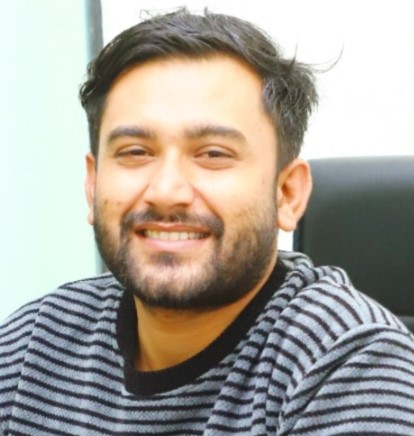
Dr. Pavan Kumar Meghwar is a public health analyst. He can be reached at pawanlumhs@gmail.com.